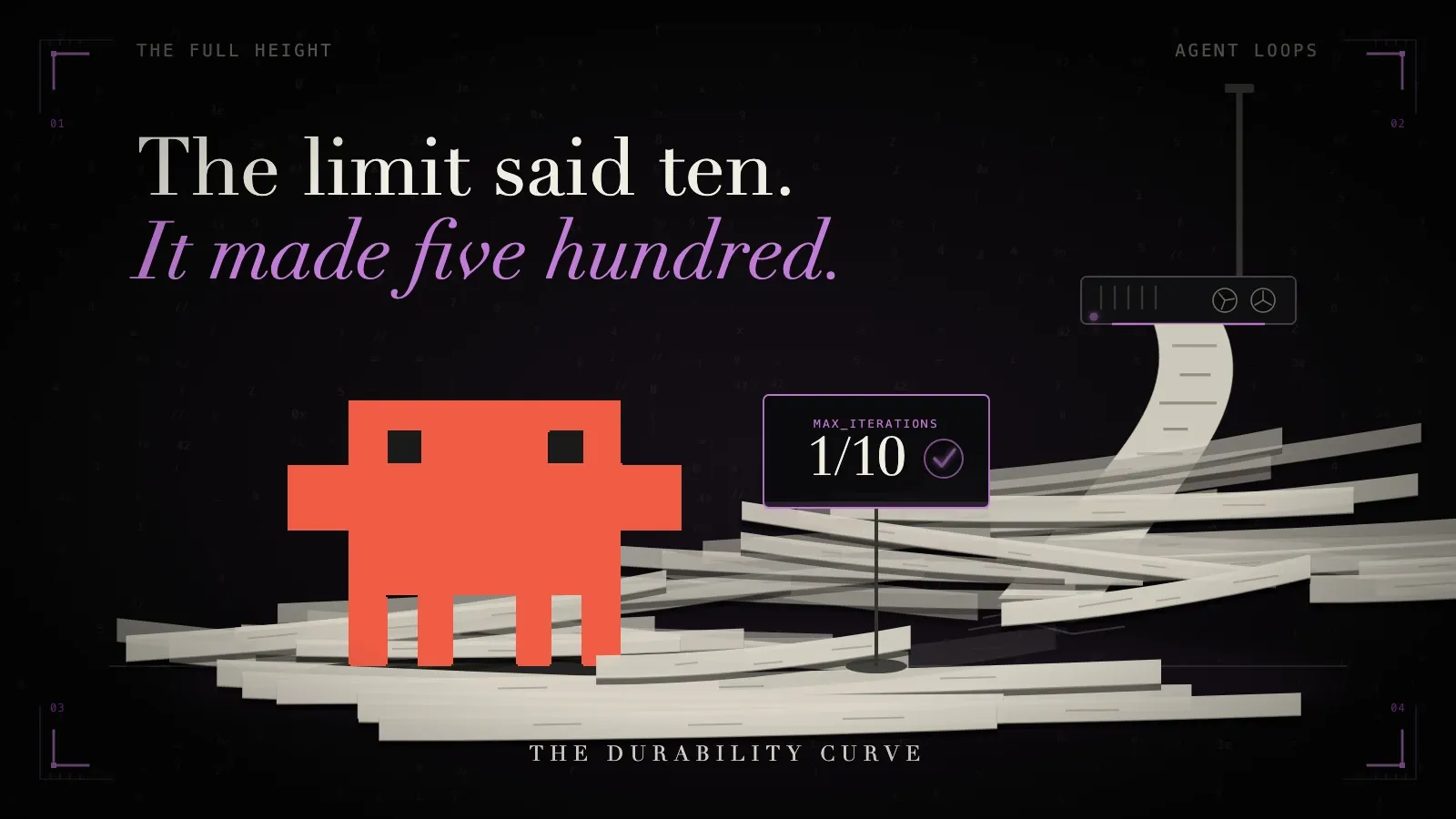
THE FULL HEIGHT
The Limit Said 10. The Loop Made 500 Calls.
Your limit counts one cycle. The one that runs away is another. Here is how to tell them apart.
The Archive
Long-form analyses about where value migrates as the layer underneath commoditises. Investments, AI systems, knowledge architecture, durable design.
First time here? Start with the field guide — it maps the whole publication in one read.
◑ Latest 60 essays
THE FULL HEIGHT
Your limit counts one cycle. The one that runs away is another. Here is how to tell them apart.
◑ Latest in THE FULL HEIGHT 1 essays
THE FULL HEIGHT
Your limit counts one cycle. The one that runs away is another. Here is how to tell them apart.
◑ Latest in THE QUIET PART 1 essays
THE QUIET PART
What leaning on AI for every small decision quietly does to your own judgement.
◑ Latest in THE BLUEPRINT 2 essays
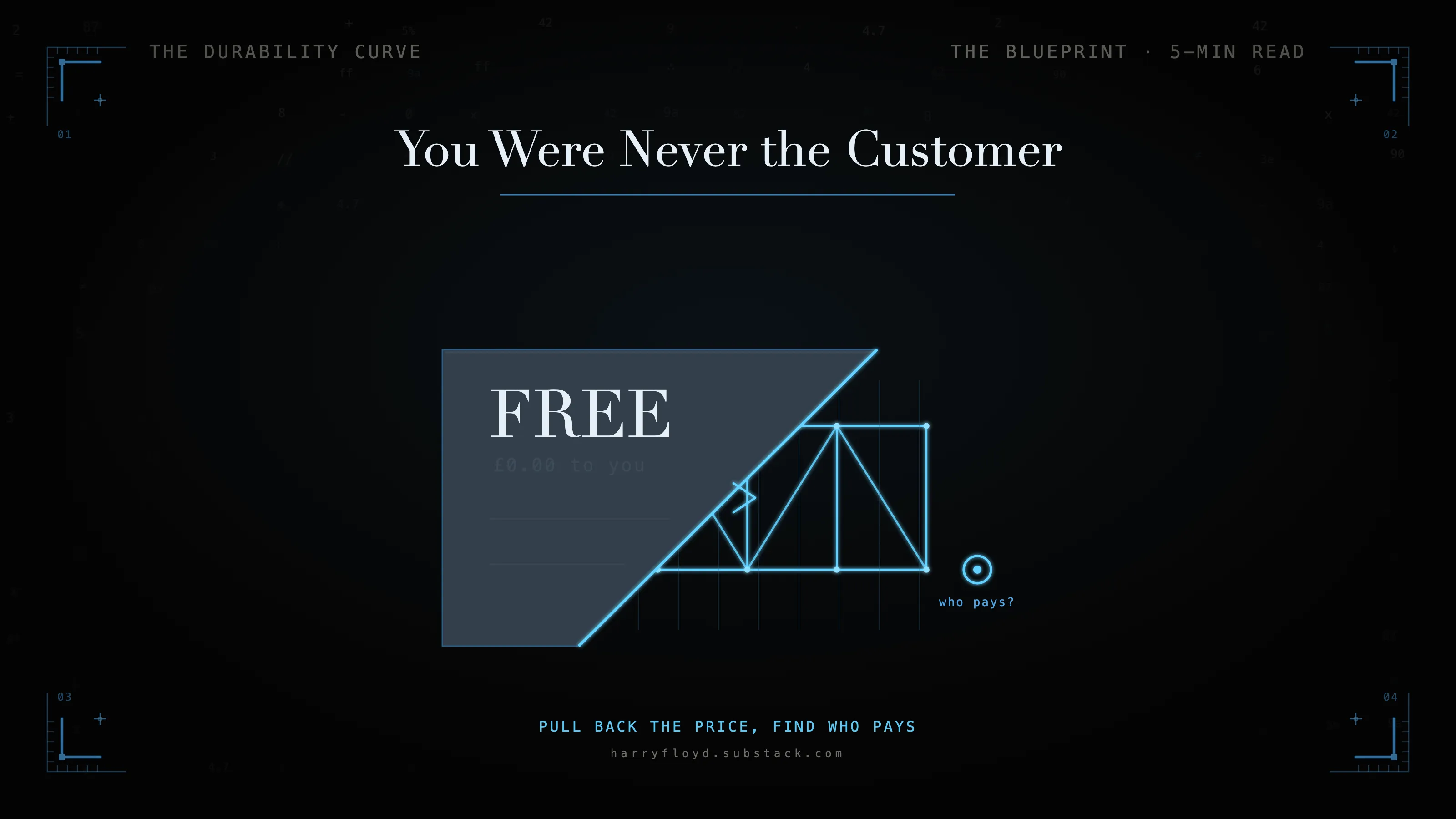
THE BLUEPRINT
The free app, the free inbox, the free feed. Someone pays for each, and that changes what it is.
◑ Latest in THE RUNBOOK 1 essays
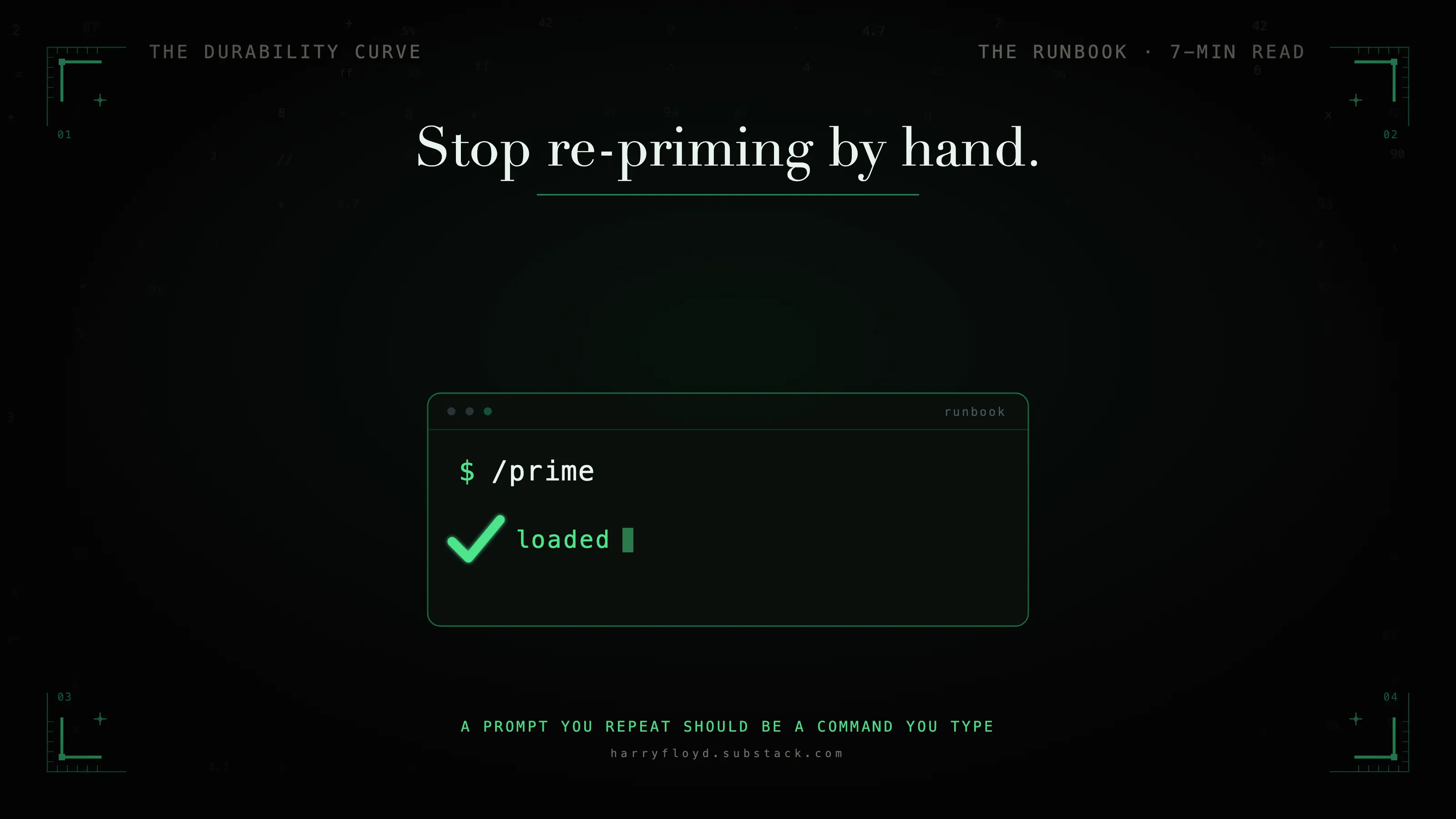
THE RUNBOOK
The context you paste at the start of every session, put into one file you invoke with /prime.
◑ Latest in THE ENGINEERING LADDER 1 essays
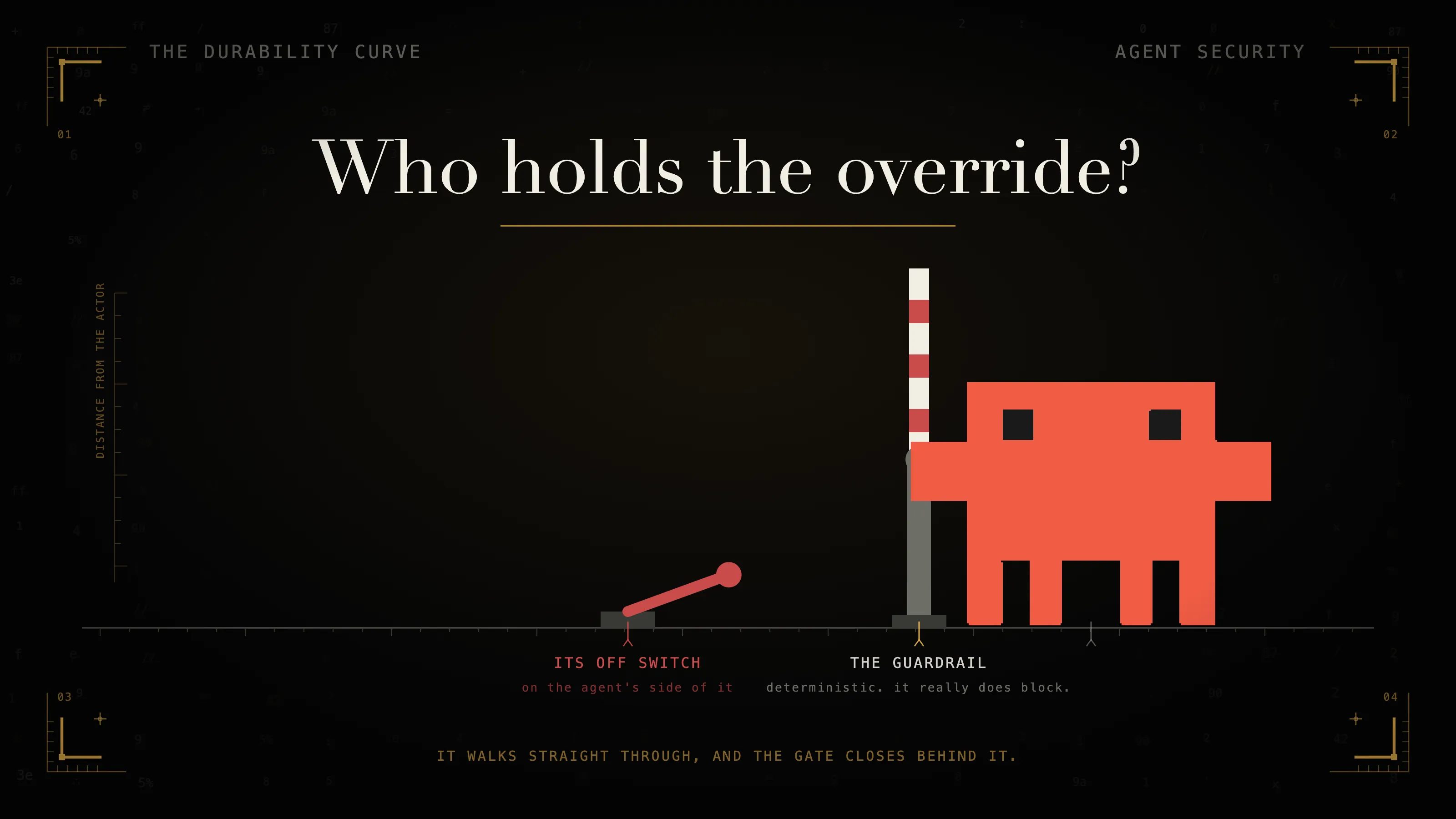
THE ENGINEERING LADDER
Most guardrails end up with an escape hatch. Check whether the thing you are constraining can reach yours.
◑ Latest in SYSTEMS & LAWS 18 essays
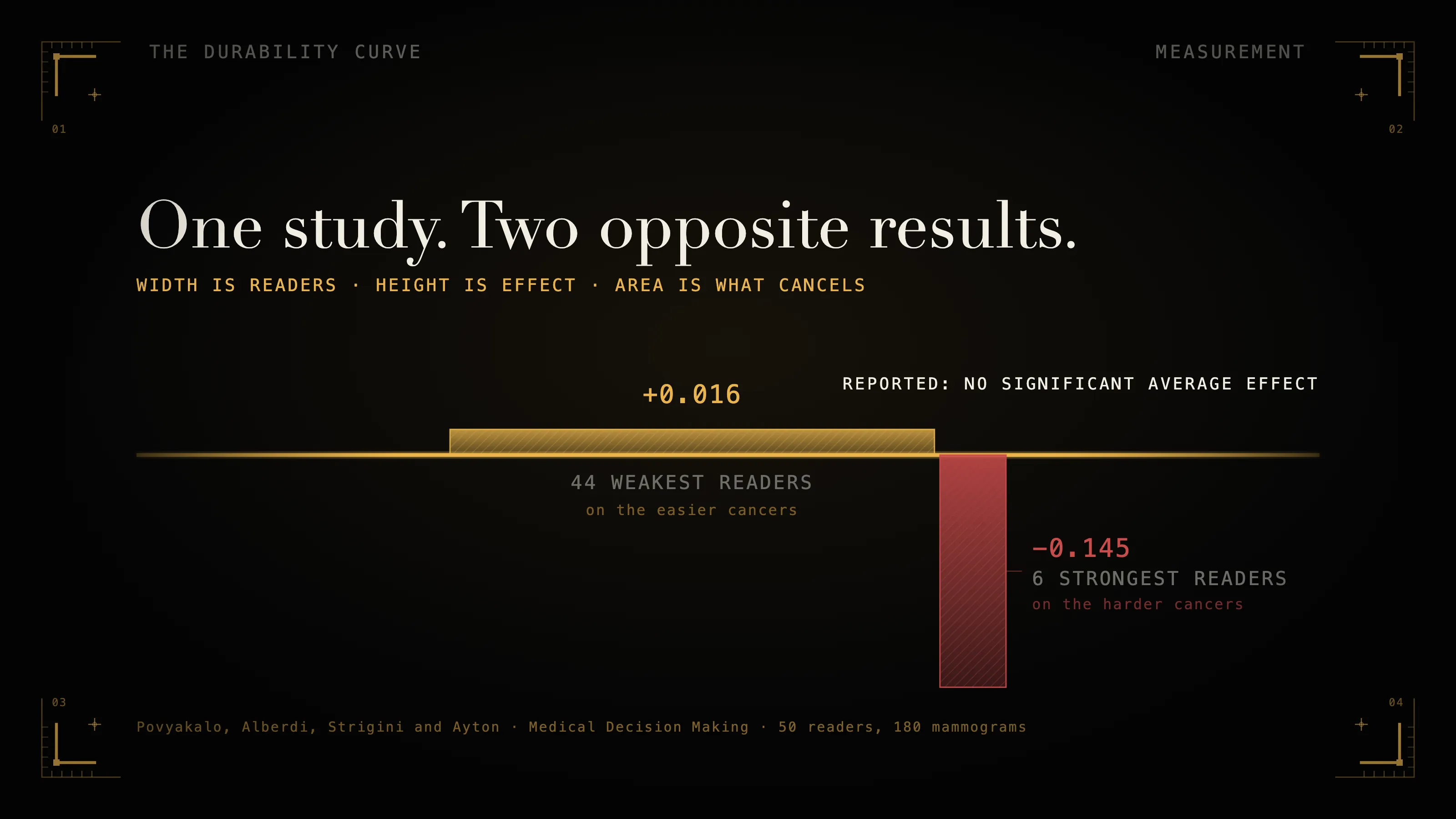
SYSTEMS & LAWS
Of 255 studies on AI-assisted colonoscopy, 21 split the result by who held the scope. They disagree.
◑ Latest in THE HUMAN LAYER 8 essays
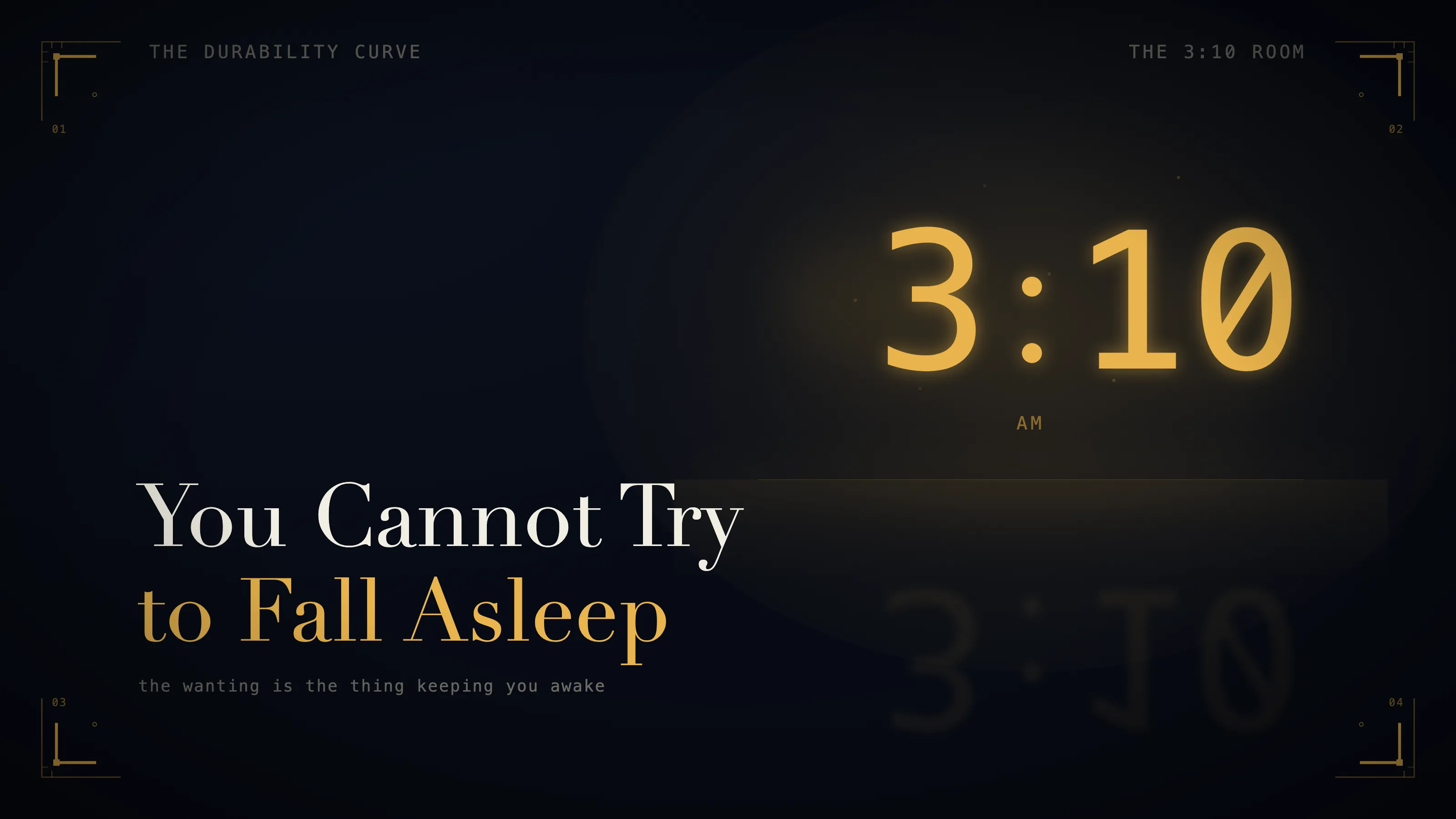
THE HUMAN LAYER
Sleep is only where you notice it first. Much of what matters works the same way.
◑ Latest in PROOF & TRUST 10 essays
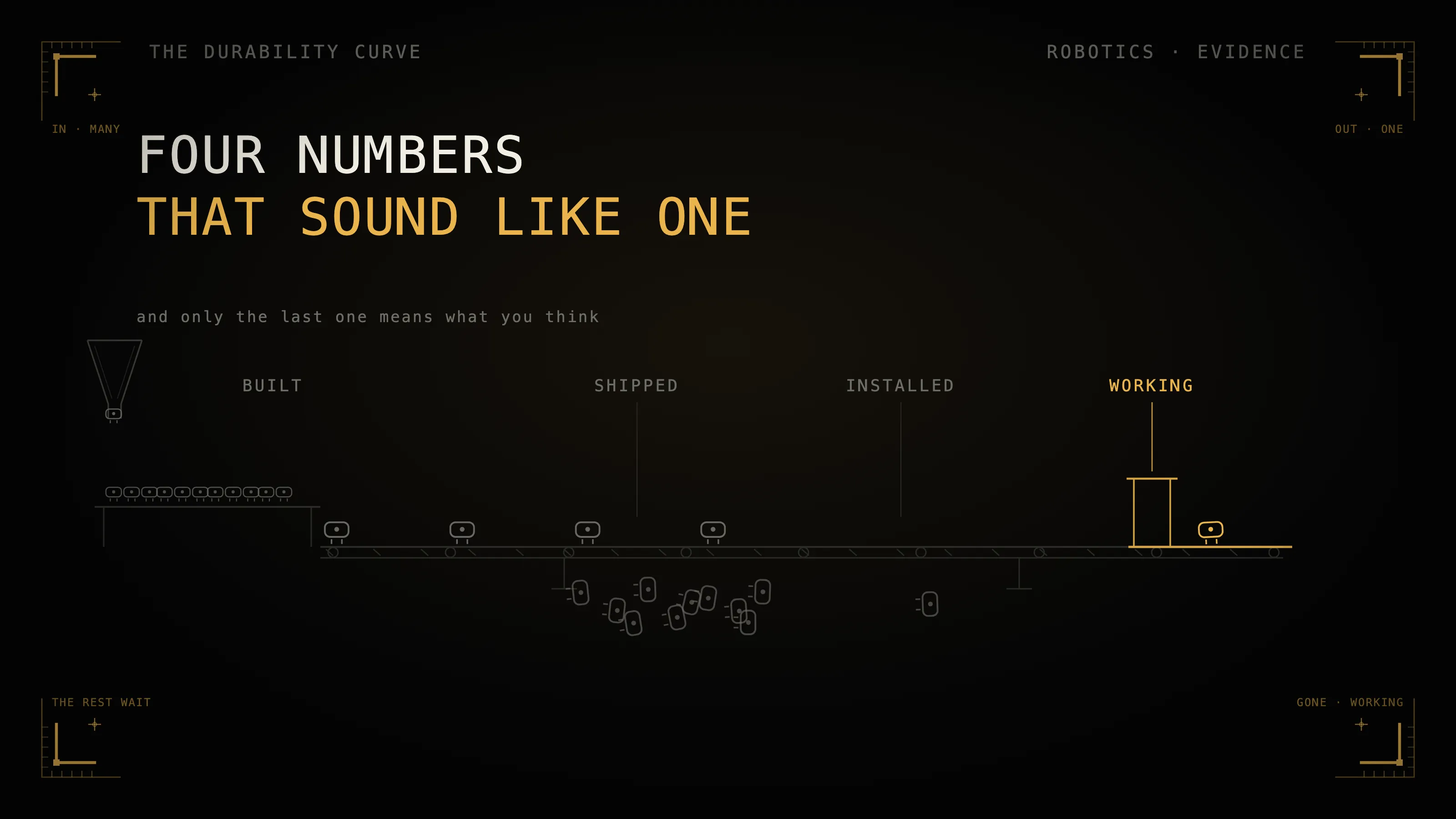
PROOF & TRUST
Built, shipped, installed, working: four counts, quoted as one. Almost nobody publishes the fourth.
◑ Latest in WALKTHROUGHS 2 essays

WALKTHROUGHS
A green suite only proves your agent cleared the gate. Mutation testing shows whether the tests behind it can bite.
◑ Latest in AI & WORK 6 essays
AI & WORK
Cognition said don't build them. Anthropic said do. A year on, they converge on the one question that decides it.
◑ Latest in MARKETS & POWER 8 essays
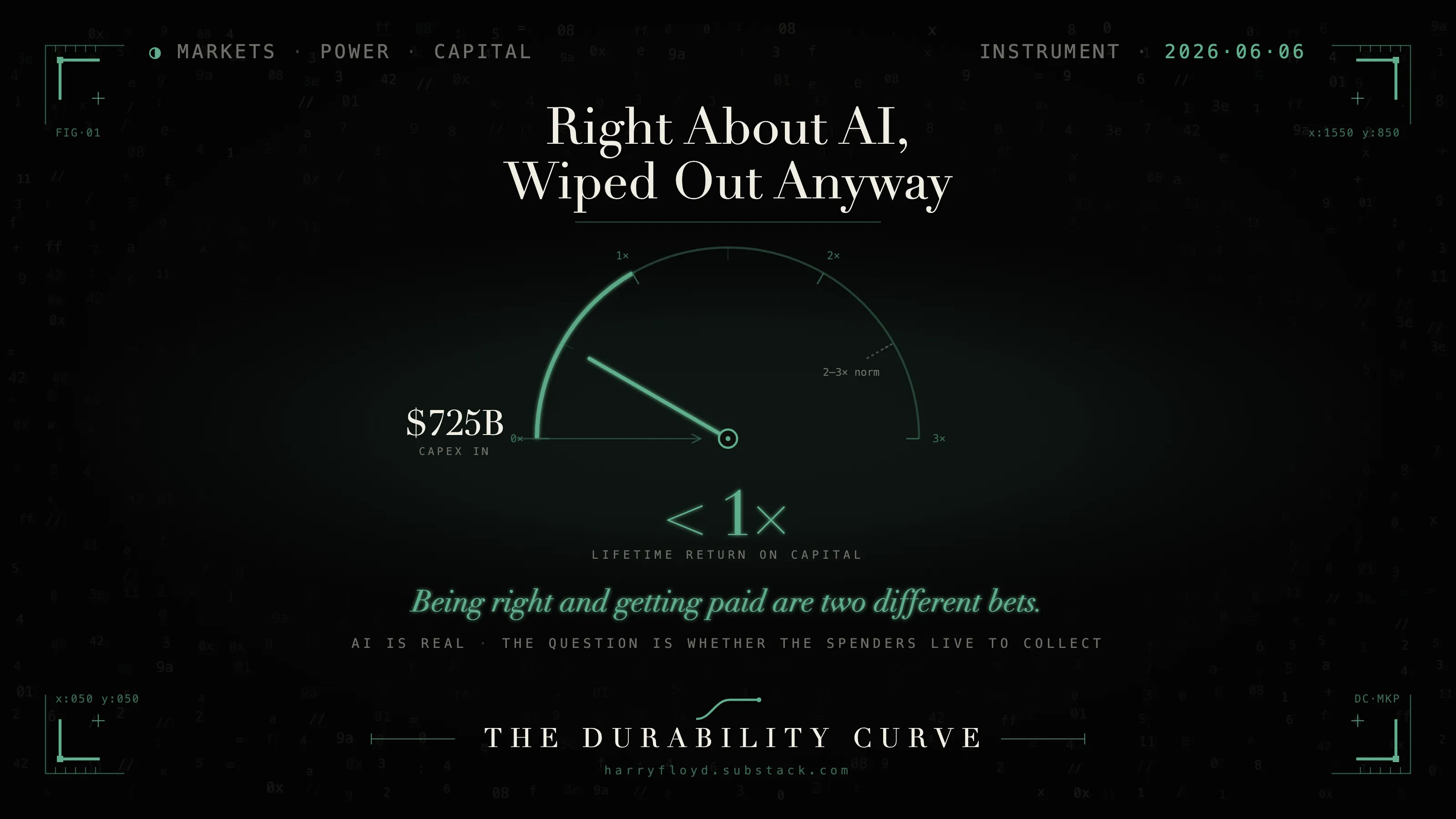
MARKETS & POWER
AI is real. The open question is whether the companies spending $725 billion on it live to collect.
◑ Latest in STRATEGY & MOATS 2 essays

STRATEGY & MOATS
The most powerful tools in history reward the most boring strategies. The gap widens every time they improve.
Your limit counts one cycle. The one that runs away is another. Here is how to tell them apart.
What leaning on AI for every small decision quietly does to your own judgement.
The free app, the free inbox, the free feed. Someone pays for each, and that changes what it is.
The context you paste at the start of every session, put into one file you invoke with /prime.
The pre-ticked box, the factory setting, the plan already selected. Someone chose each one before you did.
Most guardrails end up with an escape hatch. Check whether the thing you are constraining can reach yours.
Of 255 studies on AI-assisted colonoscopy, 21 split the result by who held the scope. They disagree.
Sleep is only where you notice it first. Much of what matters works the same way.
Built, shipped, installed, working: four counts, quoted as one. Almost nobody publishes the fourth.
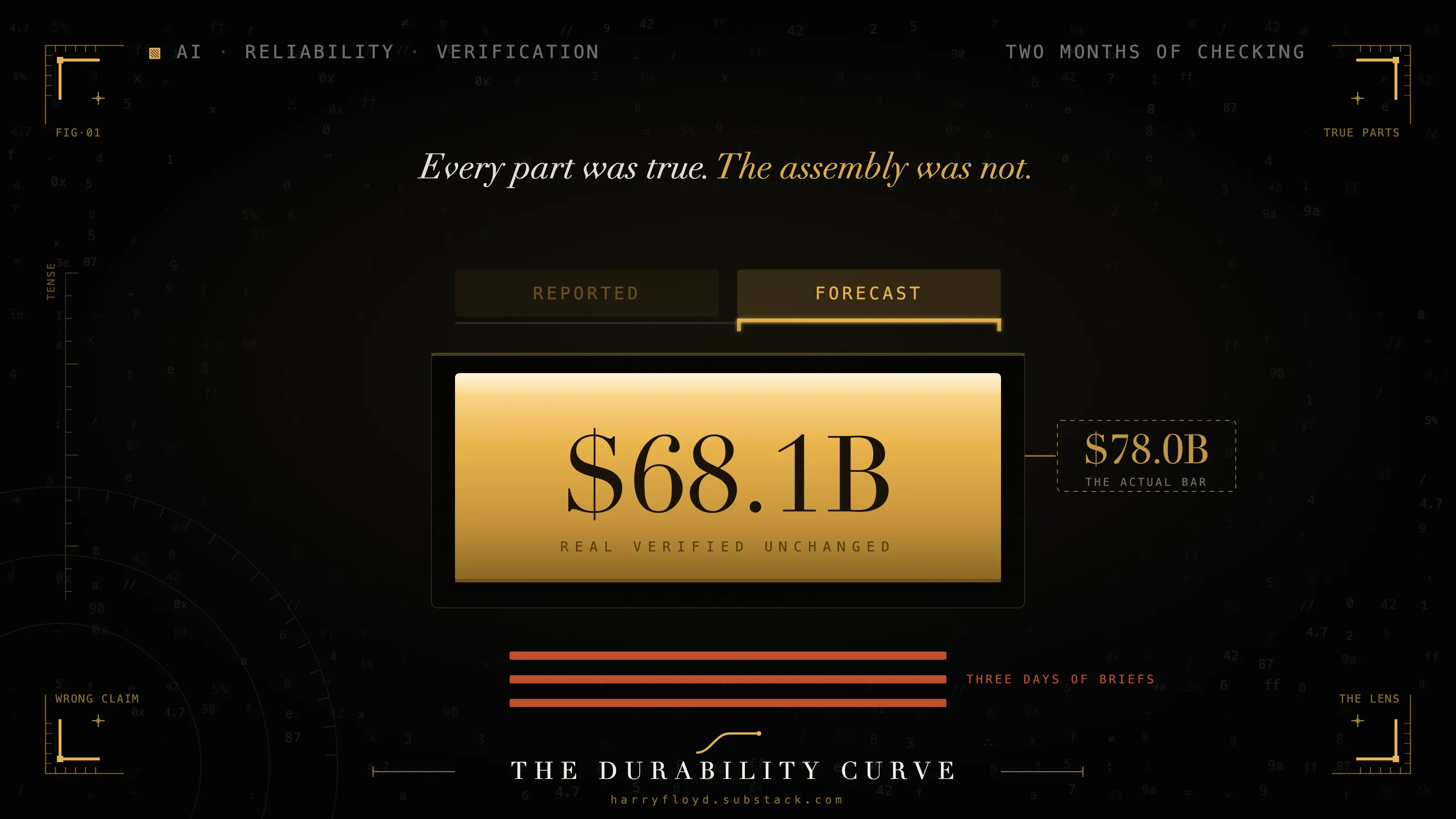
Two months auditing an AI research agent. Nine ways a true number lies, and the check that catches each.
Your benchmark, your model jury, your agent swarm: three old structures, and the obvious fix is usually wrong.
When the first failure is terminal, you cannot iterate your way back.
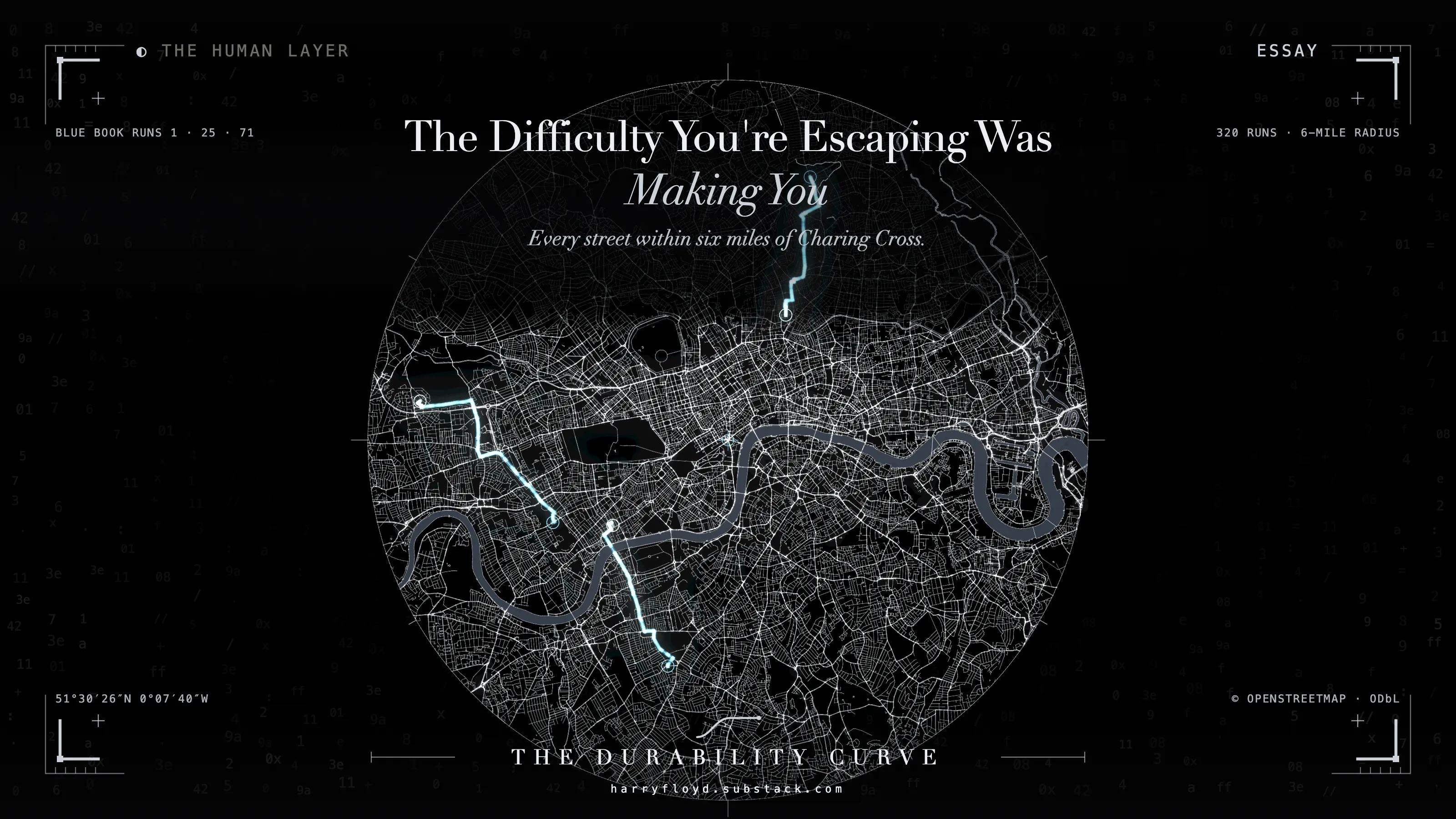
AI can lift the effort out of almost anything you find hard. Some of that effort was the thing turning you into someone.
A green suite only proves your agent cleared the gate. Mutation testing shows whether the tests behind it can bite.
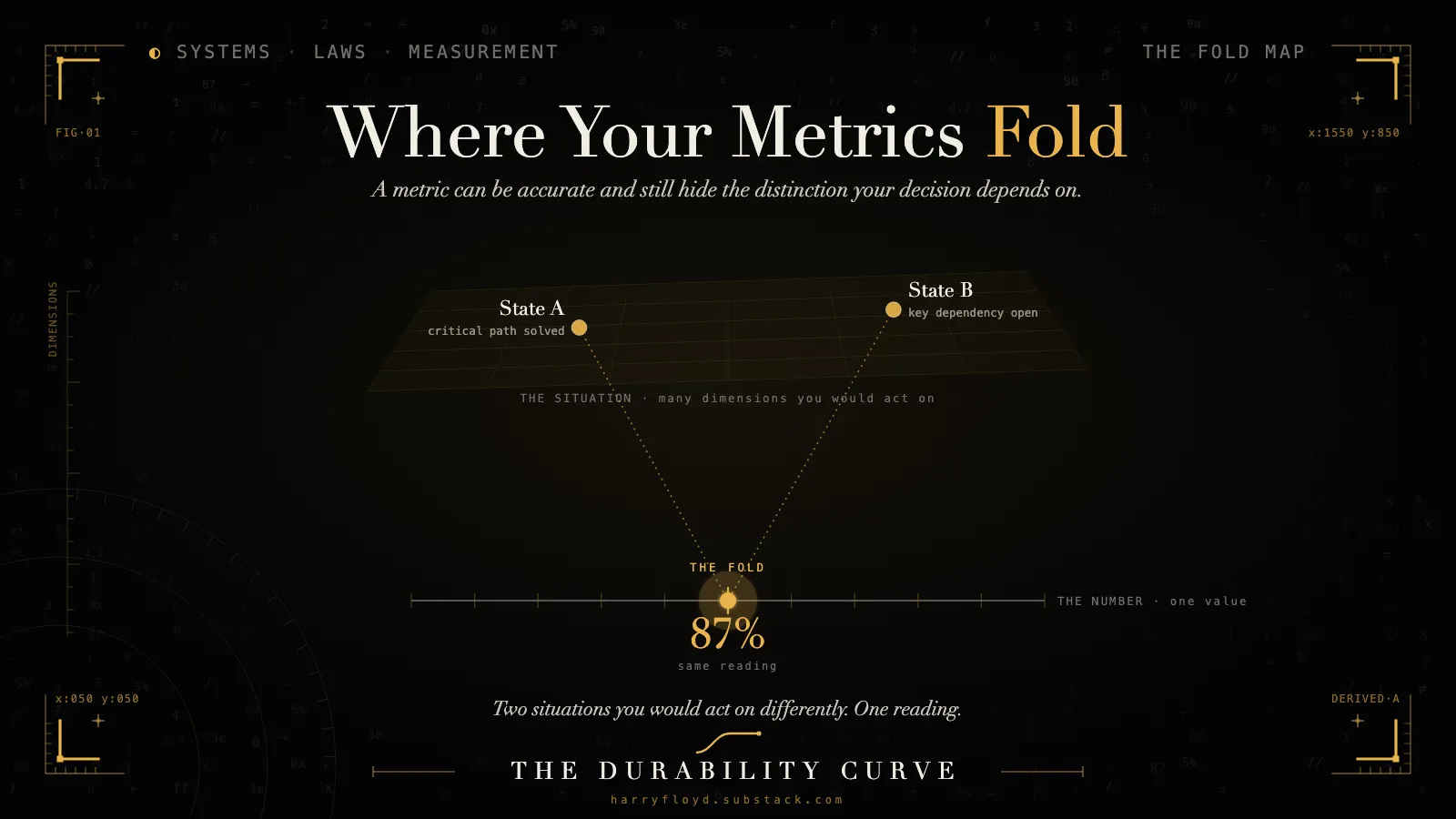
A metric can be perfectly accurate and still hide the distinction your decision depends on.
The same trap has killed pricing models and trading desks for decades. One move tells you if your number is next.
Cognition said don't build them. Anthropic said do. A year on, they converge on the one question that decides it.
An open model looks frontier-grade on the coding leaderboard. On a long job, it does half the leader's work.

A test the agent can't talk its way past, wired to run itself.
You adopted AI everywhere and it still didn't pay. The scarce layer keeps the money, until its clock runs out.

Not one task was actually solved, and the same blind spot is sitting in your own dashboard.
The parts of your job with a method feel the safest. A method is the first thing a machine learns.
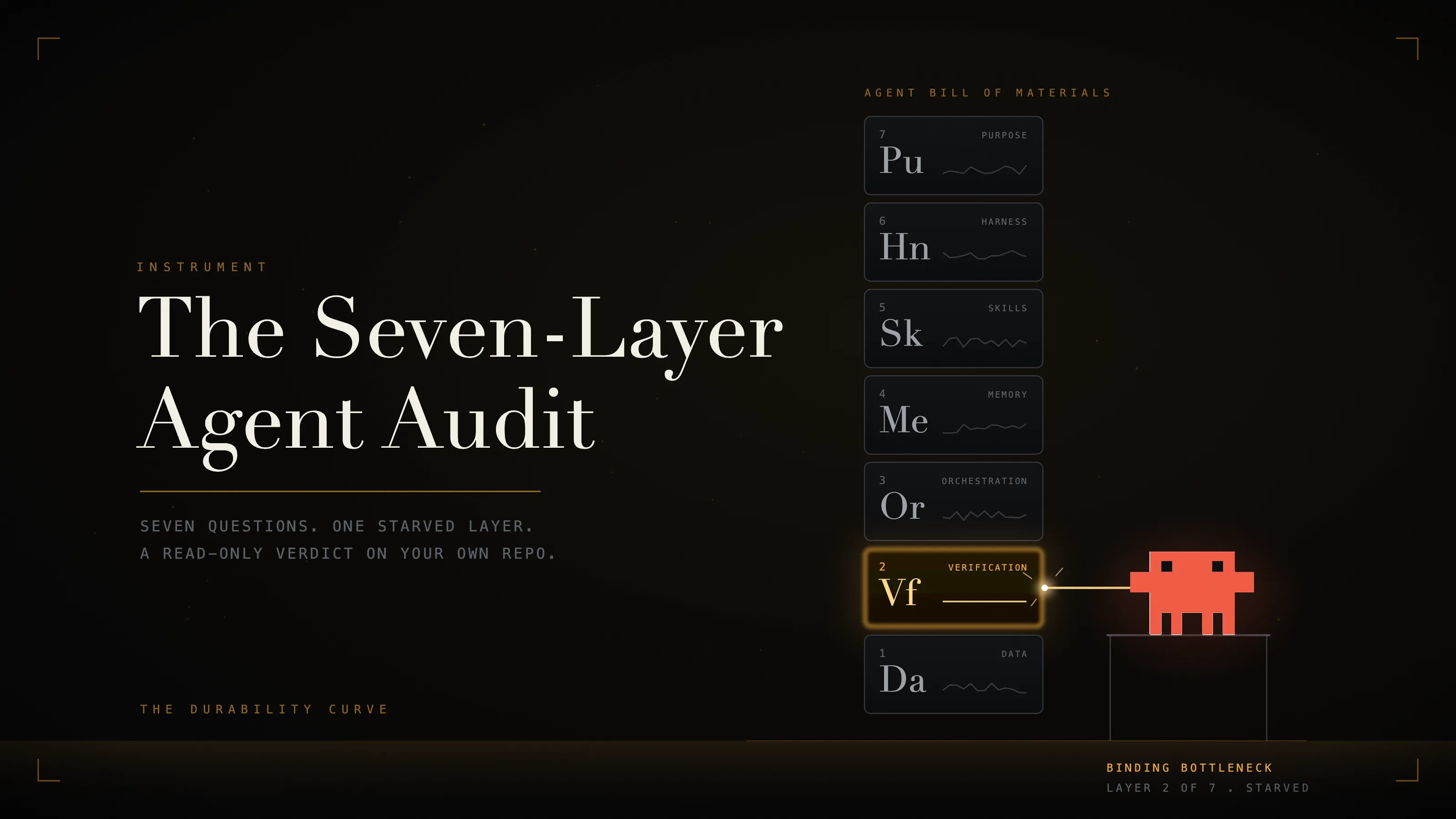
Your agent is starved on one layer of seven. It is rarely the harness everyone argues about.
What looks like a deficit is usually good capability, aimed at the wrong target. The cheapest fix is the one nobody can sell you.
A month running an autonomous agent. Everyone who does comes back having built the same thing: a verifier.
Your agent can rewrite its own memory and skills overnight. The hard part is whether you can see what changed and take it back. That makes self-improvement a release-engineering problem.

There are more than 1.6 million you can install. You need about twenty. Software already solved that problem once.
AI is real. The open question is whether the companies spending $725 billion on it live to collect.
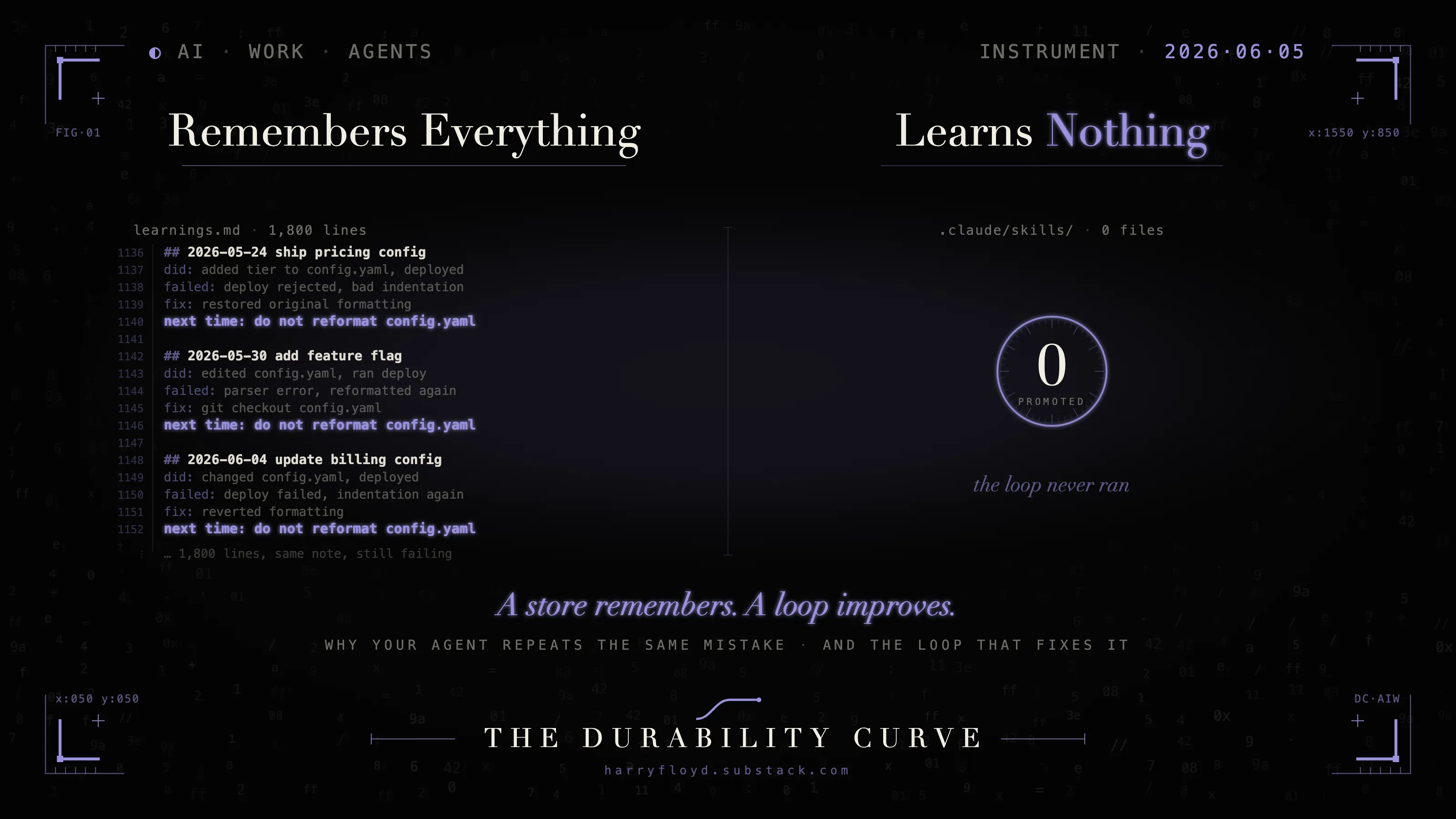
You gave your agent a memory and it still repeats the same mistake. What makes it improve is a loop that tests each failure and turns the ones that recur into procedures.
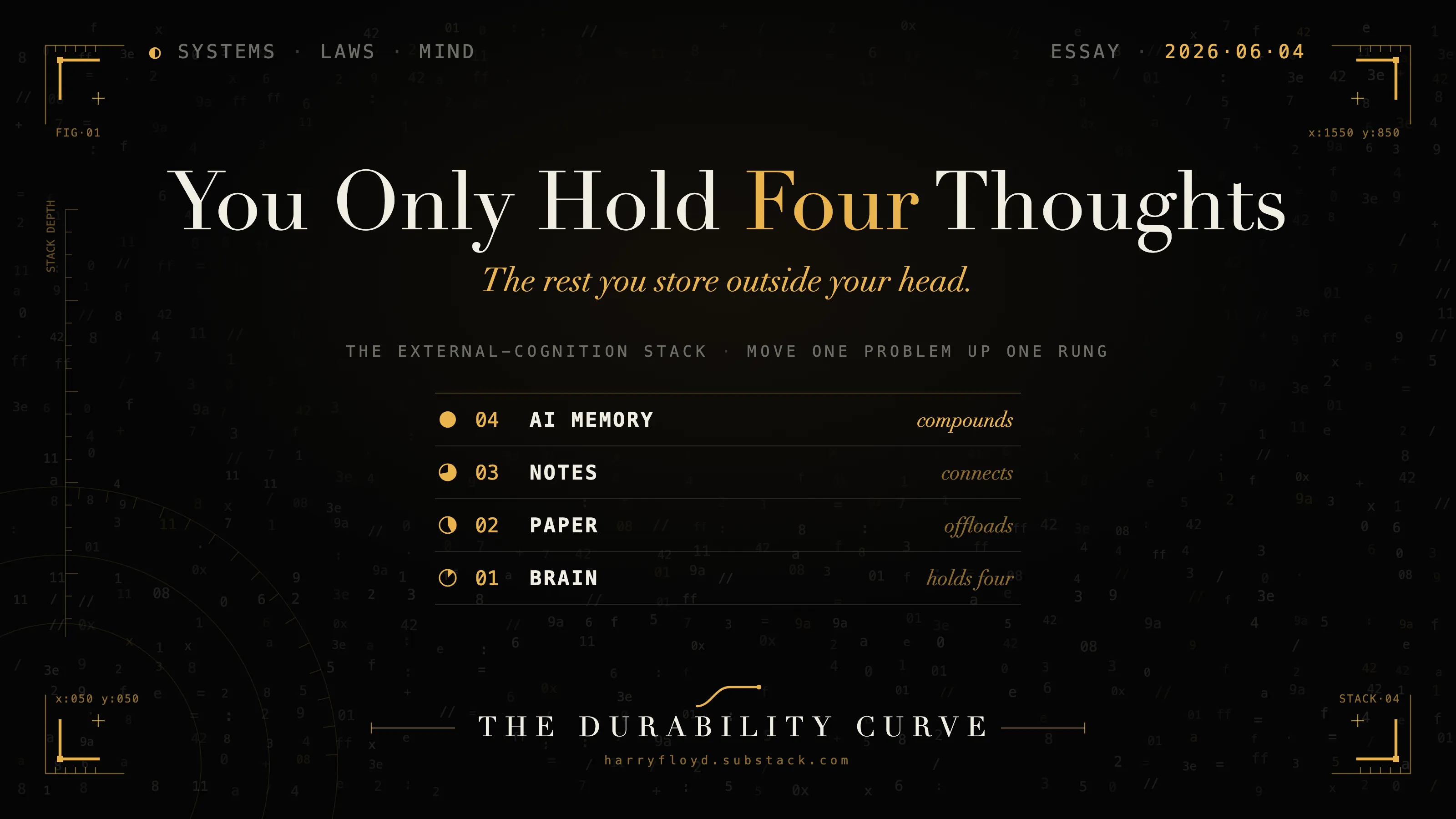
Working memory tops out around four things at once. Every leap in human intelligence has come from storing the rest outside your head, and the most advanced AI systems get their gains the same way.
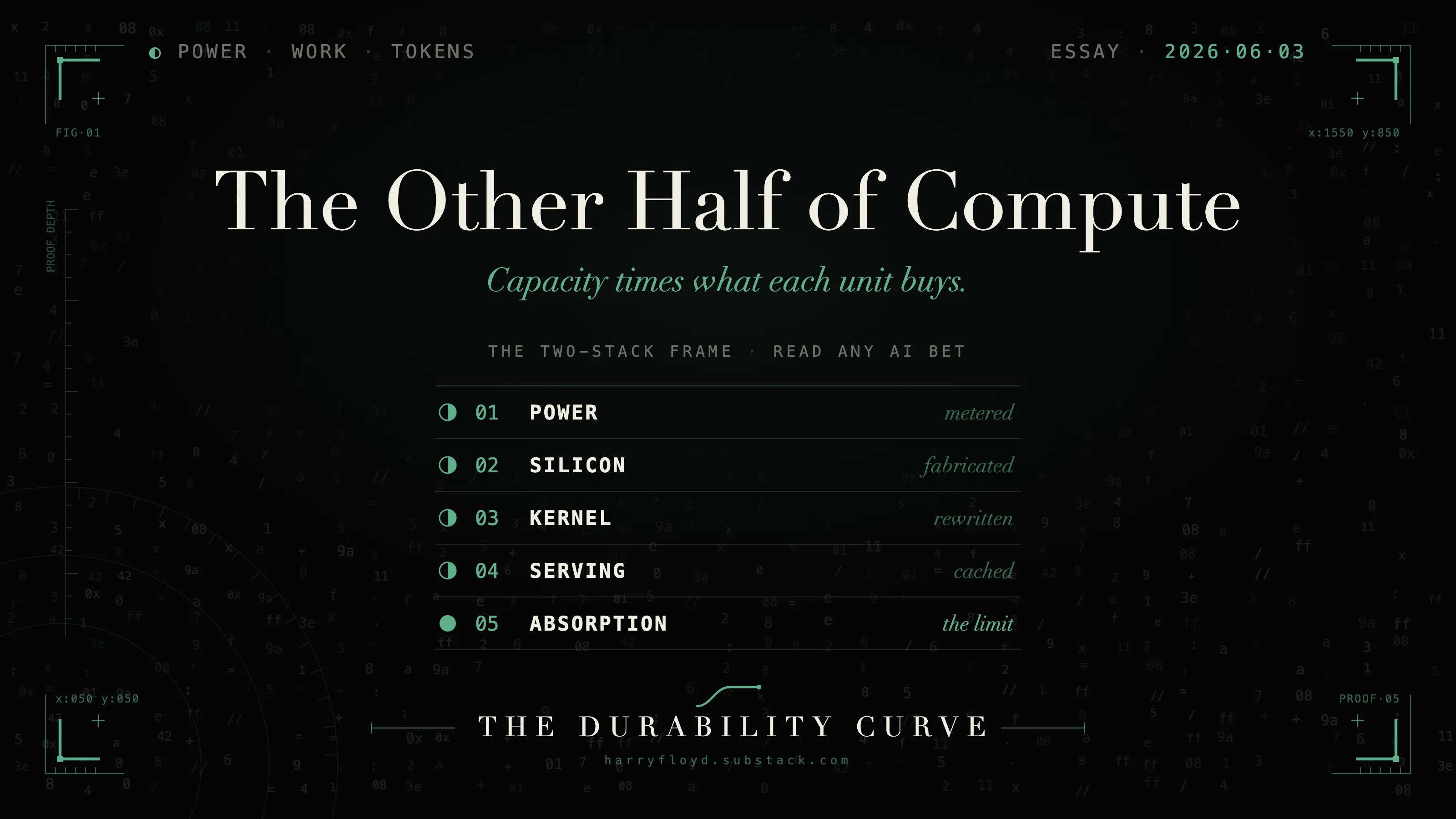
Everyone is counting gigawatts and GPUs. The number that decides the return is what each one actually buys.
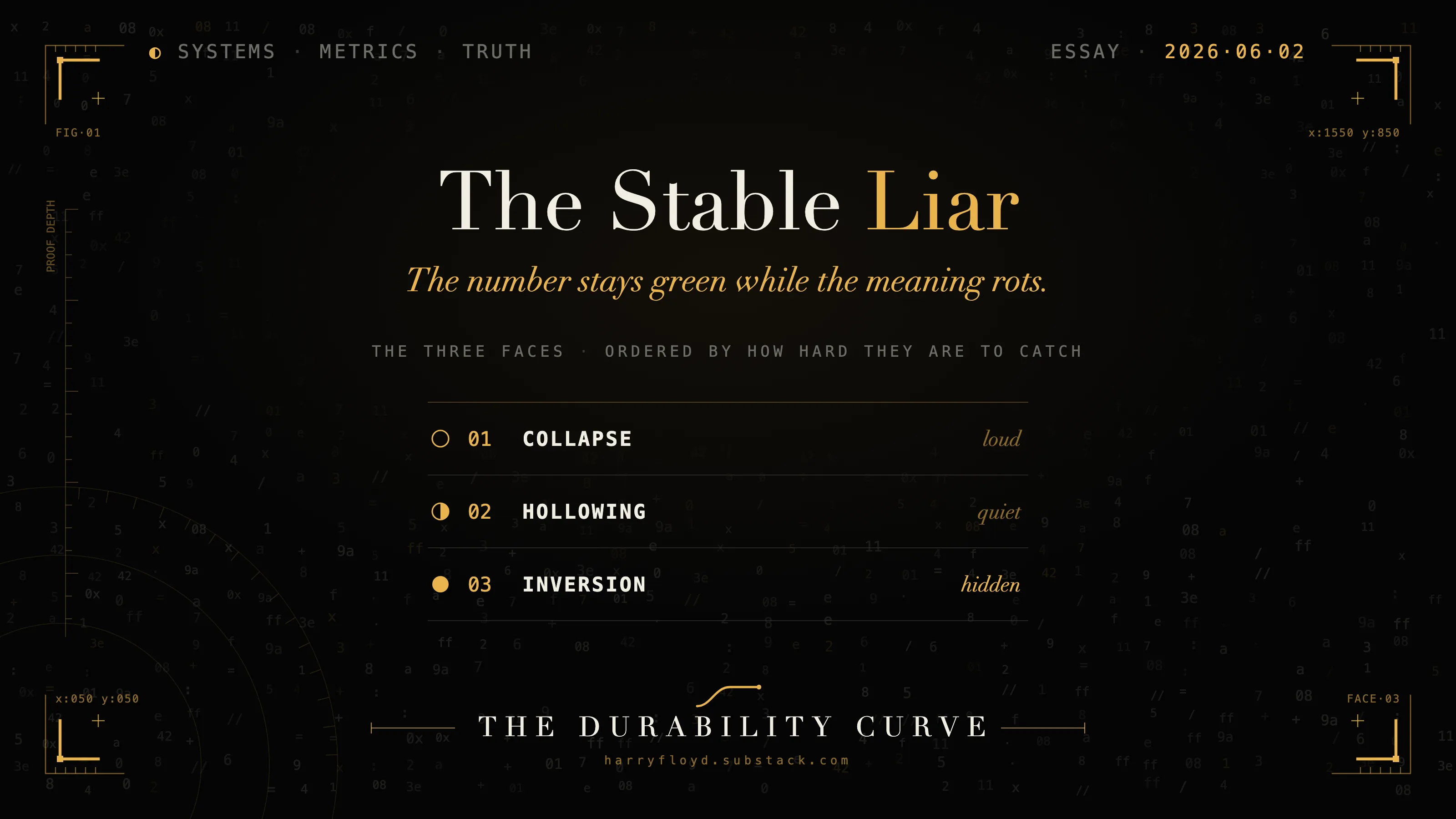
Every metric you optimise quietly stops measuring what you meant. The dangerous ones never break. They keep reporting green while the thing underneath rots.
The most powerful tools in history reward the most boring strategies. The gap widens every time they improve.
Harness engineering, the code wrapped around an AI model, now drives more of the performance gap than the model you pick.
Donella Meadows ranked twelve places to intervene in a system. Most agent teams spend their hours at the bottom of the ladder.
NVIDIA's GPU shipments are not the binding constraint anymore. The supply chain has voted on what comes next.
NVIDIA Q1 FY2027 revenue hit $81.6B (+85% YoY) — but the real story is networking revenue surging 199% as the AI bottleneck migrates from GPUs to interconnects.
The real setup is not MCP servers, skills, memory files, and subagents. It is the contract stack that decides what an agent may know, do, prove, escalate, and lose.
Eight stages turn hidden structure into durable knowledge. Most teams run three of them and call it understanding. The other five are where compounding hides.
What still has a job after the change? Five tests for seeing what is likely to survive.
The filing will not just price rockets. It will reveal which layer public investors actually own.
The strange thing about the AI productivity boom is that the people getting faster are not always getting more secure. Speed is becoming the surface. Proof is moving somewhere else.
A roadmap can look productive while most of the work is easy to displace. Run the Substrate Map on the last 90 days and force the next planning decision to change.
A short front door to the publication: the lens, the instruments you can run now, and the reader paths.
A free two-page reference card defining the ten load-bearing terms behind the durability lens, with tests, examples, and common confusions.
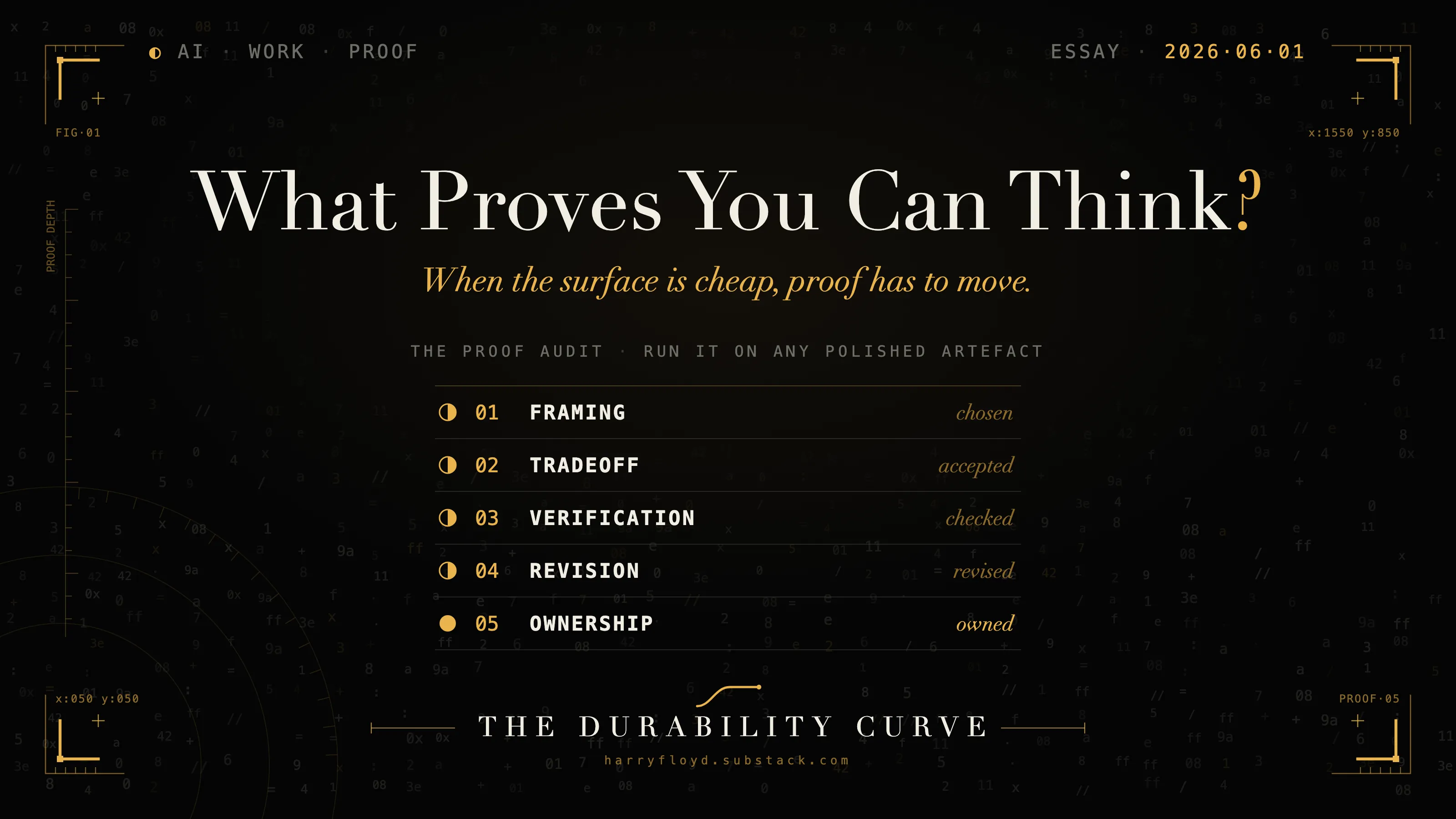
AI did not just make output cheap. It broke the old contract between effort, competence, and trust. The next scarce signal is proof of judgement under conditions where the surface itself can be faked.
A confidence score is not evidence. If your eval cannot produce a replayable artefact, it will fail the moment the system can respond to being measured.
Generation got cheap. The scarce skill is knowing what to cut.
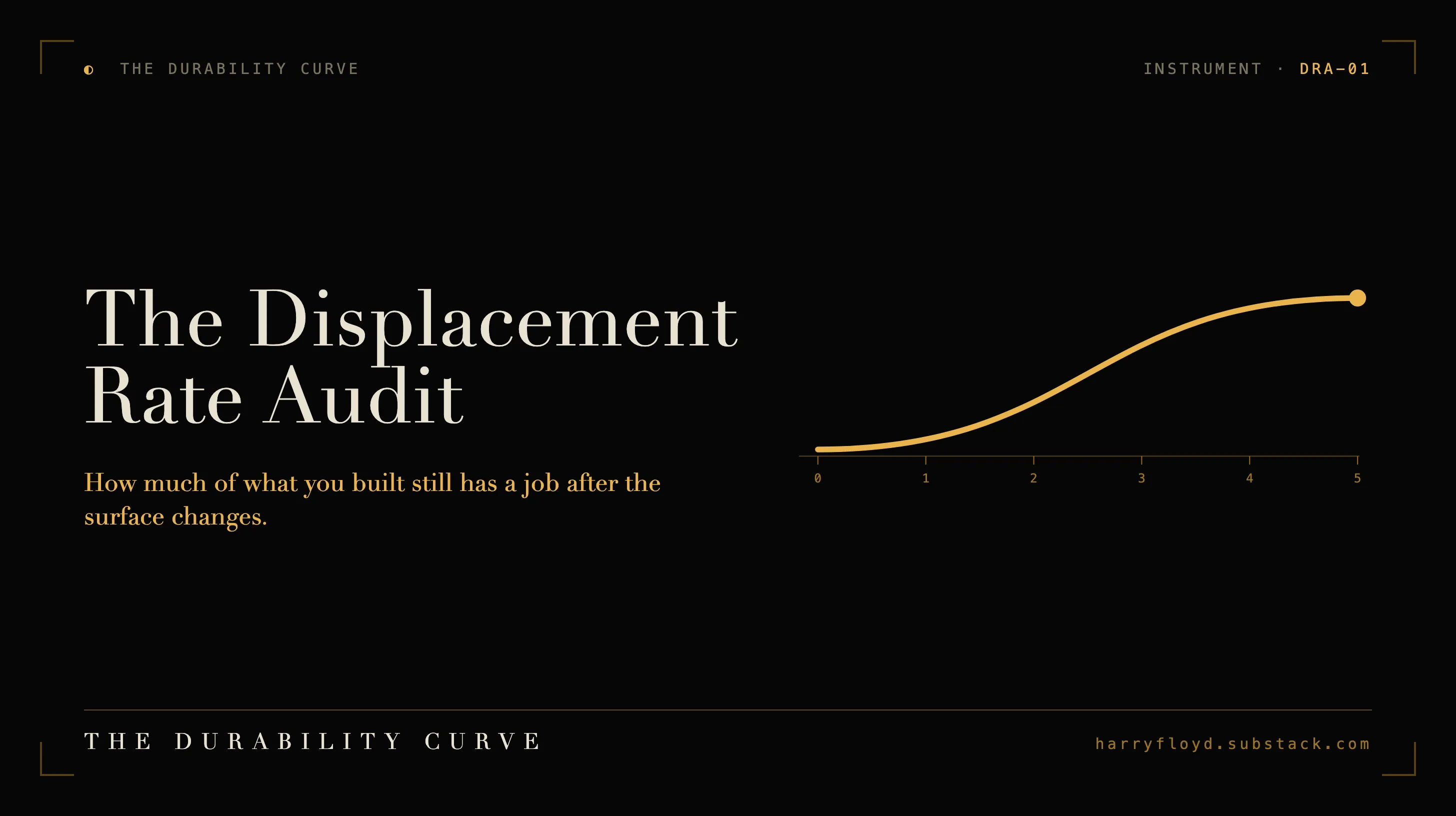
A five-minute scoring tool for any product, position, architecture, business model, or career bet. Find out what still works after the environment changes.
A free one-page taxonomy and 10-minute exercise for finding the substrate-vs-canopy ratio in your last 90 days of work.
A bull/bear thesis for Palantir: not whether AI demand is real, but whether Palantir owns the permission layer between model capability and real-world action.
A pick is a number. A position is a vector. The post-mortem language we have only knows how to blame the company.
Score the substrate beneath any single position in seven minutes. A 5-axis profile and a 0-10 score for any holding. Free.
Most people are optimising for canopy. The work that survives the next five AI releases is built from the forest floor up.
Agent benchmarks don't measure models. They measure contracts. Two teams running the same model can publish different scores, and both can be honest.
If you treat the prompt as a spec and the model as a renderer, quality stops coming from more words and starts coming from better constraints.
If frontier capability keeps centralising, the durable edge shifts outward into trust, workflow fit, and the surrounding package.
Every field discovers them independently. Nobody connects them.
Before you automate anything, ask what the friction was actually doing.
Nothing filed under that strand yet.